
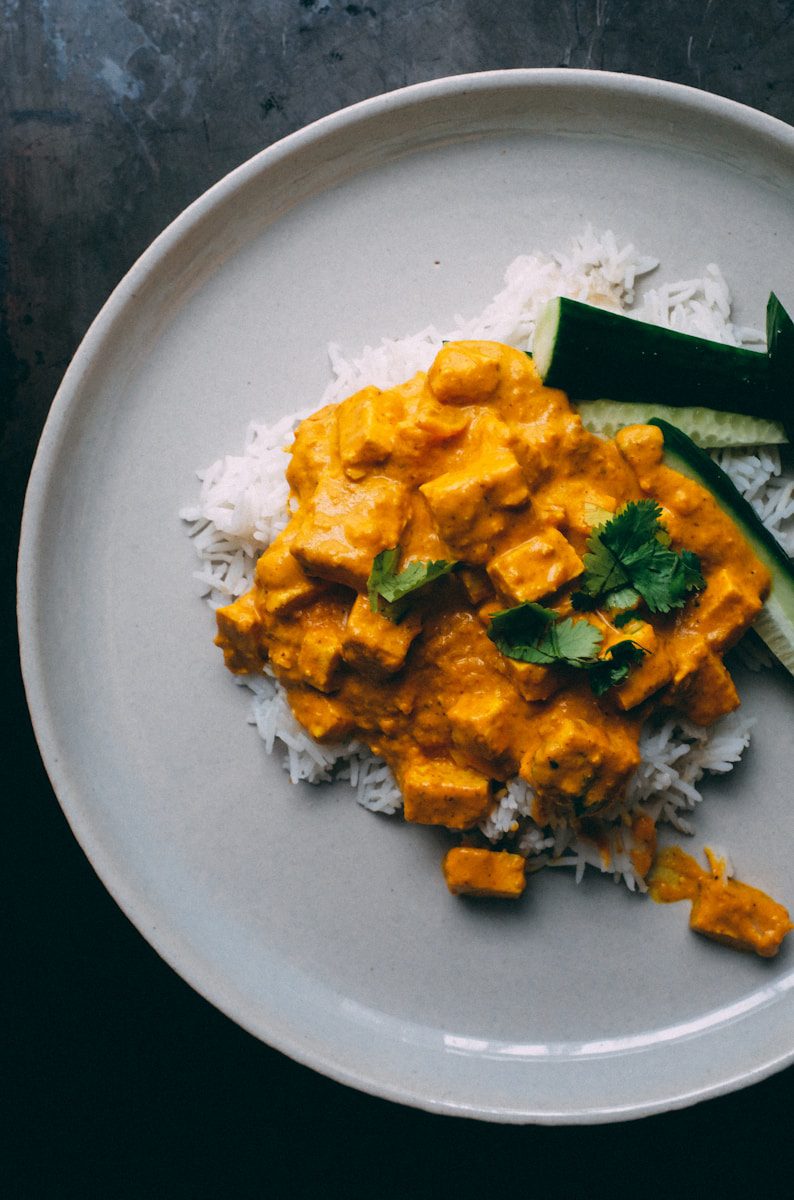

What is Plant-Based Eating?
Plant-based eating has gained popularity in recent years, often motivated by the climate crisis, animal activism, personal well-being, or just curiosity. Plant-based eating exists on a spectrum and is not a one-size-fits-all approach.

In this blog, we’ll look at the concept and practice of ahimsa, unpack different plant-based eating styles, and explore how flexibility can guide a compassionate, sustainable way of eating.
I’m Glad You’re Here!
I’m Christy, a Registered Dietitian passionate about helping folks explore the stories we tell ourselves around food and gently reconnect with the wisdom of our own bodies. I especially enjoy working with queer and trans folks, neurodivergent individuals, and anyone who’s felt sidelined by mainstream food and diet advice.
Disclaimer: While I am a Registered Dietitian (also known as “Registered Dietitian Nutritionist”), I am not your Registered Dietitian or familiar with your specific medical history. This content is for educational purposes only and is not professional or medical advice.
Plant Based Eating and Traditional Religious Practices
Understanding plant-based eating in traditional religious practices can help us understand the interconnectedness of food, spirituality, and ethical living.
The relationship between food and spirituality has been deeply intertwined throughout history. Many traditional religious practices advocate for plant-based eating as a way to practice compassion, mindfulness, and respect for all living beings.

Ahimsa: The Principle of Non-Harm
One of the core principles that underpins the connection between plant-based eating and Eastern traditional religious practices is the concept of ahimsa, which translates to “non-violence” or “compassion” in Sanskrit. Ahimsa is a foundational tenet in many Eastern religions, including Hinduism, Buddhism, and Jainism.
Ahimsa emphasizes the practice of non-violence towards all living beings, and extends beyond physical harm to encompass thoughts, words, and actions that may cause suffering to others.
Jainism and Plant-Based Eating
Jainism is one of the oldest religions in the world and places a strong emphasis on non-violence (ahimsa) towards all living beings.

Jains also adhere to the concept of anekantavada, which (perhaps an oversimplification) emphasizes the importance of respecting diverse perspectives. This philosophy extends to their approach to food, where they strive to minimize harm and cultivate compassion by avoiding consuming meat, seafood, and eggs. Jainism also discourages the consumption of root vegetables, so as not to kill the plant for the vegetable, or harm insects and other organisms living in the soil.
Jain monks (also known as ascetics) may practice ahimsa by walking barefoot and using a special broom to sweep the ground in front of them to prevent stepping on or otherwise harming insects in their path.
Buddhism and Plant-Based Eating
Similarly, in Buddhism, the concept of ahimsa is reflected in the First Precept, which states the commitment to abstain from harming living beings.

Many Buddhists choose to engage in plant-based eating as a way to live in harmony with the principle of non-violence and reduce the suffering of sentient beings. The practice of mindful eating, which encourages awareness and gratitude for food, stems from the belief in ahimsa and the interconnectedness of all beings.
In Buddhist communities, some may choose to follow a strict vegetarian or vegan eating pattern year-round.
In Chinese and Vietnamese communities, some Buddhists may incorporate vegetarian eating practices on the 1st and 15th days of each lunar month.

Plant Based Eating as a Spectrum
Plant-based eating doesn’t have to be about following strict rules or labels, but rather making choices that support your overall well-being and align with your values.
Many people encounter obstacles that make fully adopting a 100% vegan or vegetarian eating pattern challenging. Health conditions, limited access to certain foods, or busy schedules are all very real barriers. The good news is that you don’t have to do it perfectly, and every step you take still counts!

Additionally, for those in eating disorder recovery, adhering to a fully plant-based diet may be inaccessible or contrast with recovery goals. It is completely valid to adjust food choices to prioritize recovery and overall well-being. If this applies to you, read to the end for alternative ways to embody your values beyond food!
Plant-based eating exists on a spectrum, and you can choose the level that works best for you. Some people may opt for a completely vegan lifestyle, while others may incorporate more plant-based meals into their week without completely eliminating animal products. It may also change depending on what season of life you’re in.

For many, a flexible approach can make plant-based eating more sustainable in the long term! Let’s work together to develop a personalized approach that makes sense for you.
An Overview of Plant Based Eating Styles
Included below is a non-exhaustive list of different plant-based eating styles that you may (or may not) have heard of. They are listed in order (roughly) from lowest to highest flexibility:
Vegan
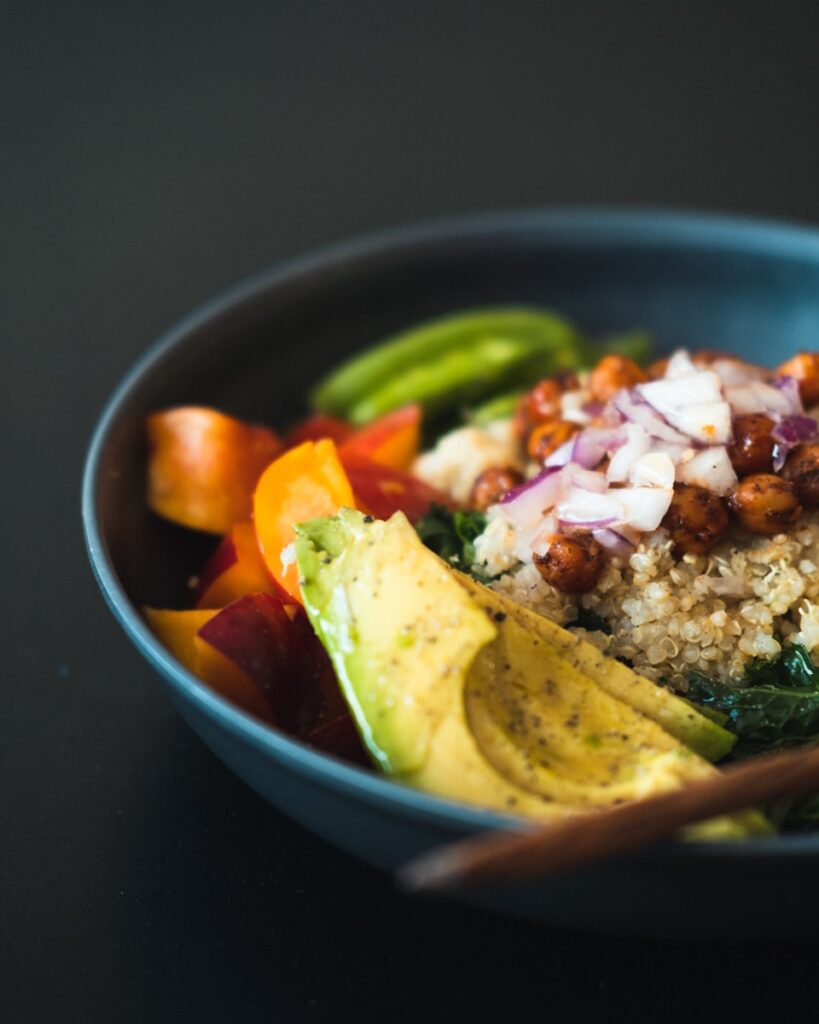
Veganism goes beyond what’s on the plate; it’s a way of life that seeks to minimize harm to animals and the environment. For many, veganism is about taking a moral stance against the exploitation and suffering of animals for human consumption. Some vegans also avoid animal-derived ingredients like gelatin and casein, as well as lifestyle choices such as leather and wool.
Freegan
While veganism is a strict adherence to avoiding all animal products, freeganism takes a slightly different approach. Freegans tend to include folks who avoid participation in conventional food systems that exploit animals or harm the environment. Instead, they focus on consuming animal products that would otherwise go to waste, such as discarded or donated items.
As a friend in college described it best, “I’m vegan unless it’s free food!”

Freegans see value in rescuing food that would otherwise end up in landfills, using it as a way to reduce waste and live more sustainably.
Vegetarian
This eating style allows folks to engage in plant-based eating while still incorporating animal-derived products like milk, cheese, and eggs.

Three related eating styles fall into this category:
- Lacto-Ovo Vegetarian: (allows eggs, no dairy)
- Ovo-Vegetarian: (allows eggs, no dairy)
- Lacto-Vegetarian (allows dairy, no eggs)
Vegetarianism is a popular and convenient choice for many people who are looking to reduce their meat consumption without completely cutting out animal products.
Pescatarian
For pescatarians, the decision to exclude meat and poultry while still allowing fish and seafood can be due to multiple reasons.

Some may choose this eating style for health reasons, as fish is a rich source of essential nutrients like omega-3 fatty acids, protein, and vitamins. Others may be motivated by environmental concerns, as the fishing industry generally has a lower carbon footprint compared to the meat industry.
Some view pescatarian eating patterns through an ethical or harm-reduction lens, choosing to decrease engagement in factory farming while still including some animal-based foods.
Reducetarian
Reducetarians focus on the mindset of reducing their consumption of animal products. This approach can be helpful when gradually making changes to eating habits without feeling overwhelmed by strict rules or restrictions. Reducetarians enjoy a varied eating pattern while reducing their impact on the environment and engagement with factory farming.
This may involve choosing plant-based options more often by incorporating meatless meals into a weekly routine, trying out plant-based substitutes for favorite dishes, or simply being more mindful of the sources of certain food products.
Flexitarian
For flexitarians, the emphasis is on inclusivity rather than exclusivity when it comes to food choices. Flexitarians may prioritize plant-based options while still allowing for the consumption of animal products.

Many folks following this eating style enjoy a diverse and varied diet that aligns with their nutritional needs, personal preferences, and values system. The flexibility in this approach can make it easy to maintain a balanced and varied plant-forward eating pattern without feeling restricted or limited with food choices.
Purity Culture in Plant Based Messaging
Many religious traditions place an emphasis on purity and cleanliness, which can contribute to the strict rules and expectations associated with purity culture. In plant-based and vegan communities, this can manifest in messages that convey plant-based foods are “pure” or “clean,” and animal products are “polluting” or “impure.”
Subtle Ways Purity Culture Shows Up
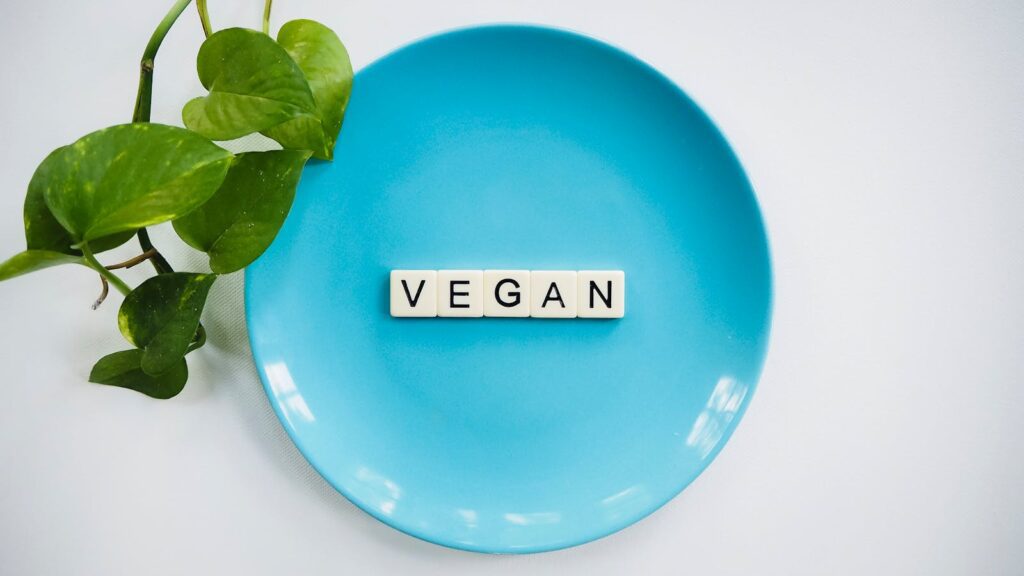
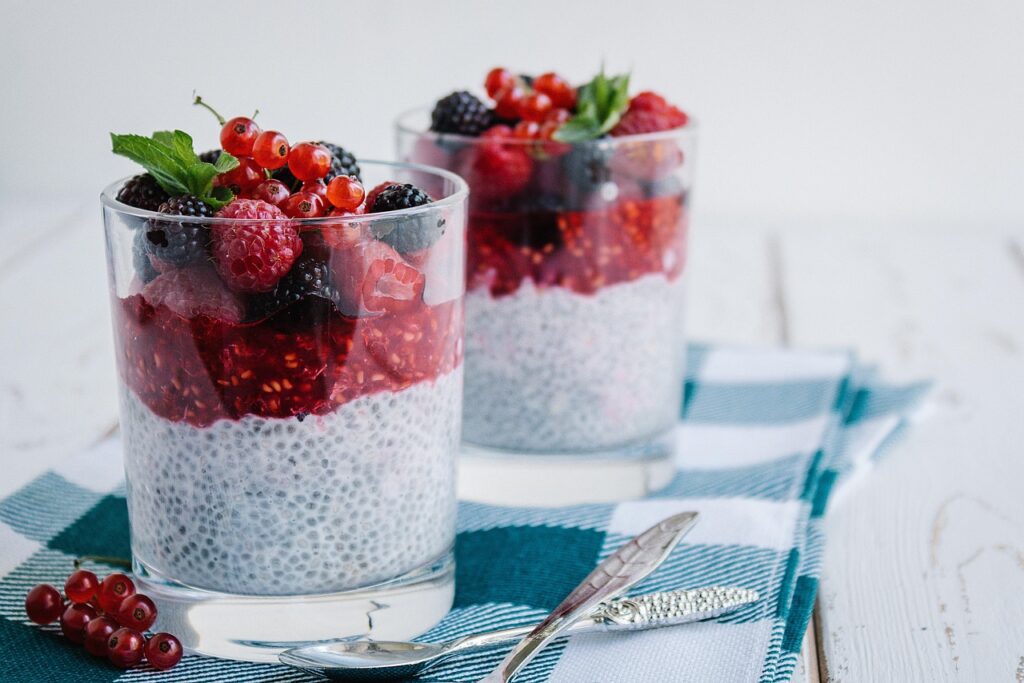
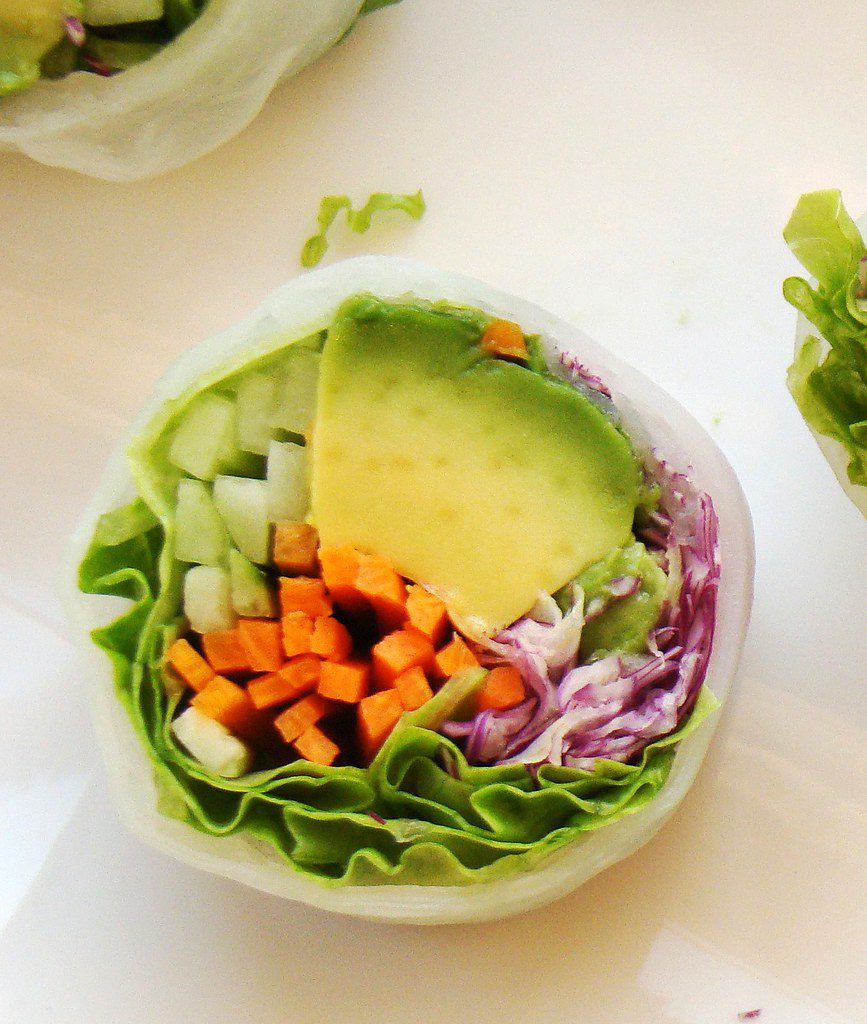
Below are just a few images that appeared from a quick search using the keyword “vegan.” Take a moment to notice the subtle cues: the abundance of white space, the minimalist layouts, and the ‘clean’ aesthetic.
What messages (intentional or not) might these visuals be reinforcing about plant-based eating and purity or moral virtue?



When Purity Culture Shapes What We Eat
Purity culture often elevates Western foods that look clean, minimal, or light, and frames foods beyond this aesthetic as less worthy. Intentional or not, this messaging can also marginalize cultural foods that are rich, complex, spicy, or hearty.
Over time, these subtle signals can shape how we relate to different foods and cultural cuisines, and influence which dishes are viewed as healthy, acceptable, or “good” – and which are not. This often overlooks the reality that many cultural dishes are incredibly nutrient-dense and balanced, even if they don’t match the “clean” or Western aesthetic.
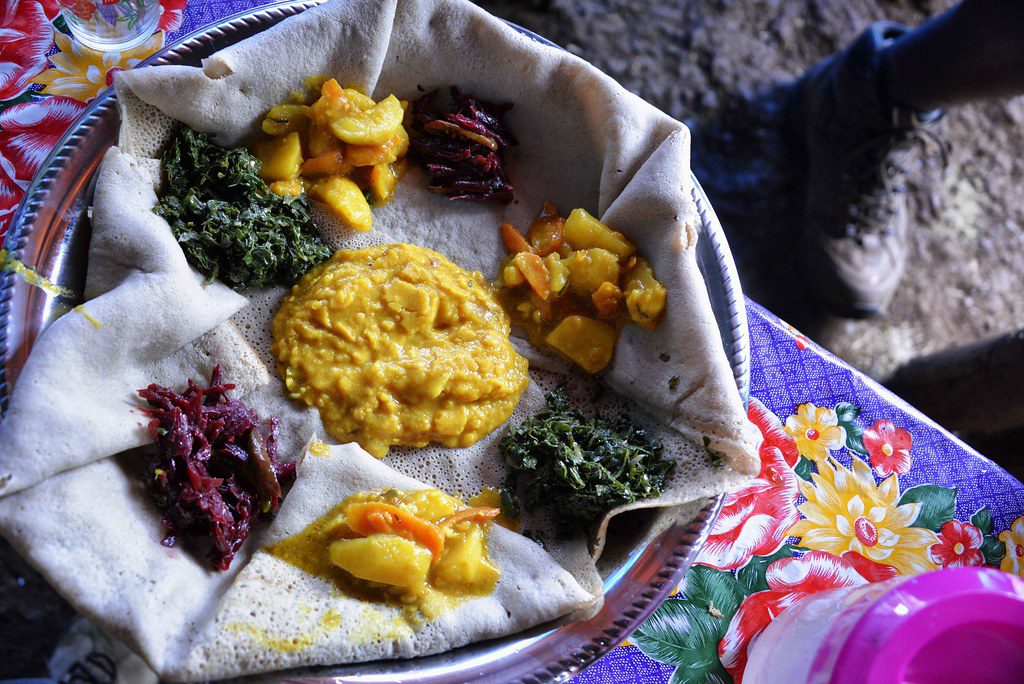
Purity culture can encourage restrictive eating and create a sense of shame or guilt around food choices. It might make you feel like your worth is tied to what’s on your plate, or that your sense of being a “good” or “bad” person depends on what you eat.
Instead of focusing on rigid rules or labels, it may be helpful to approach plant-based eating with flexibility, self-compassion, and a harm reduction lens. This often includes identifying your values and/or seeking help to find an eating pattern that is balanced and sustainable for you.
Harm Reduction Beyond Plant Based Eating
Whether it’s for environmental reasons, animal rights, personal health, or other reasons, there are many ways to embody your values beyond just what you eat. Here are a few examples:
Environmental Protection:
- Reduce red meat consumption
- Prioritize seasonal or local produce
- Minimize food waste
- Explore sustainable transportation options
- Support eco-friendly brands,
- Participate in community environmental initiatives
Animal Rights:
- Reduce your use of leather, fur, or other animal-derived products
- Support cruelty-free brands
- Volunteer at or donate to local animal shelters (especially in under-resourced areas)
- Engage in advocacy efforts for animal welfare policies
Health-Promotion: Expand your scope beyond certain foods and consider opportunities to prioritize…
- Regular (enjoyable!) physical activity
- Mindful eating practices
- Stress management techniques
Other Values:
- Look for everyday actions such as supporting ethical organizations
- Participating in mutual aid networks
- Connecting with spiritual or faith-based groups
- Volunteering or supporting other efforts that reflect your values and beliefs
Are you considering incorporating a plant-based eating style or have questions about meeting your nutrition needs? It might be a good idea to work with a registered dietitian who can support you in incorporating holistic lifestyle changes that align with your goals and values system.
Ahimsa Beyond the Plate
The concept of ahimsa, or non-harm, extends beyond food. In Buddhism, the concept of the “middle path” teaches the importance of balance and not getting pulled to extremes – an approach that applies to our eating choices too! Practicing ahimsa means acting with kindness and compassion; not just towards other living beings, but also towards ourselves and the planet.
How will you practice ahimsa today?

References
- Today H. Ahimsa: To Do No Harm. Hinduism Today. January 1, 2007. Accessed November 25, 2025. https://www.hinduismtoday.com/magazine/january-february-march-2007/2007-01-what-is-hinduism-6/
- Jainworld. Theory of Anekantavada. Jainworld. Accessed November 25, 2025. https://jainworld.com/library/jain-books/books-on-line/jainworld-books-in-indian-languages/jainism-a-religion-of-asceticism-new/theory-of-anekantavada/
- Are Jains the original vegans? January 4, 2024. Accessed November 25, 2025. https://www.bbc.com/travel/article/20240104-are-jains-the-original-vegans
- BBC – Religions – Jainism: Ahimsa. Accessed November 25, 2025. https://www.bbc.co.uk/religion/religions/jainism/living/ahimsa_1.shtml
- The Five Precepts – Buddhist beliefs – Edexcel – GCSE Religious Studies Revision – Edexcel. BBC Bitesize. Accessed November 25, 2025. https://www.bbc.co.uk/bitesize/guides/zf8g4qt/revision/9

Christy is a Registered Dietitian Nutritionist specializing in metabolic health, nutrition education, and disordered eating recovery. They provide inclusive, evidence-based nutrition support for folks with neurodivergent, LGBTQ+, and multicultural identities. Christy has lived in several Asian countries, and speaks Cantonese and conversational Mandarin.


View comments
+ Leave a comment